
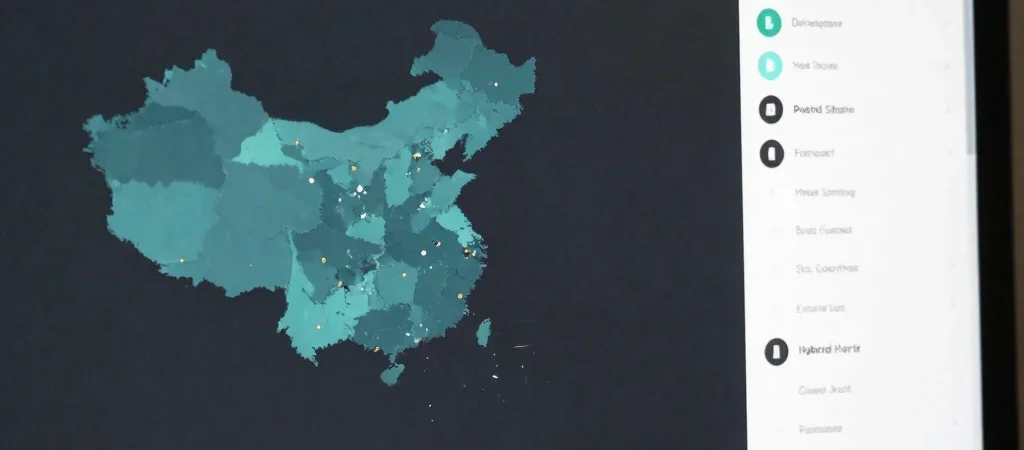
A role labeled “remote” can still have a location boundary. It may be limited to certain states, require occasional office visits, or depend on a team’s working hours. When a company changes its remote-work policy, the important question for a job seeker is not just how many days are in the office, but who can apply and from where.
Read beyond the label
Open the full posting and look for eligible locations, travel expectations, time-zone requirements, and any hybrid schedule. If those details conflict with a broad “remote” label on a job board, use the employer’s current listing as your reference. A policy update may apply to some teams or new hires differently, so avoid assuming one company-wide rule covers every role.
Watch for policy shifts
Compare a recent company announcement with current job descriptions and the wording on its careers page. A return-to-office change might narrow location options for some openings, while a newly stated distributed-work approach may make additional regions relevant. Neither shift proves that hiring volume has increased or decreased; it changes the context in which you should read each vacancy.
Confirm before applying
Before tailoring an application, verify that your location and availability fit the specific role, and note when the listing was updated. If the policy and posting leave a genuine ambiguity, ask the recruiter or hiring contact a concise question rather than guessing. Remote-work policy is a hiring signal because it shapes access to roles—not because it tells you by itself that a team is hiring.